
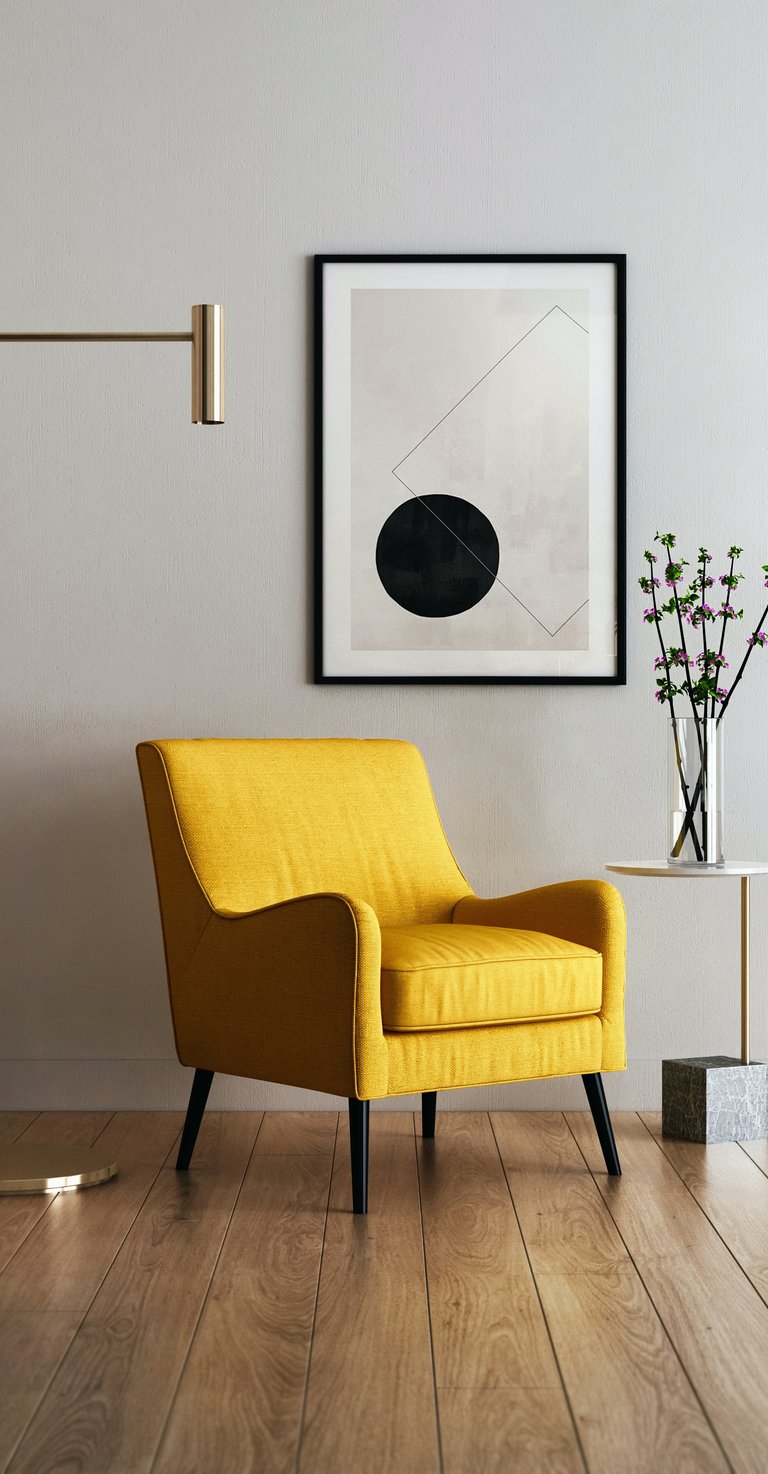
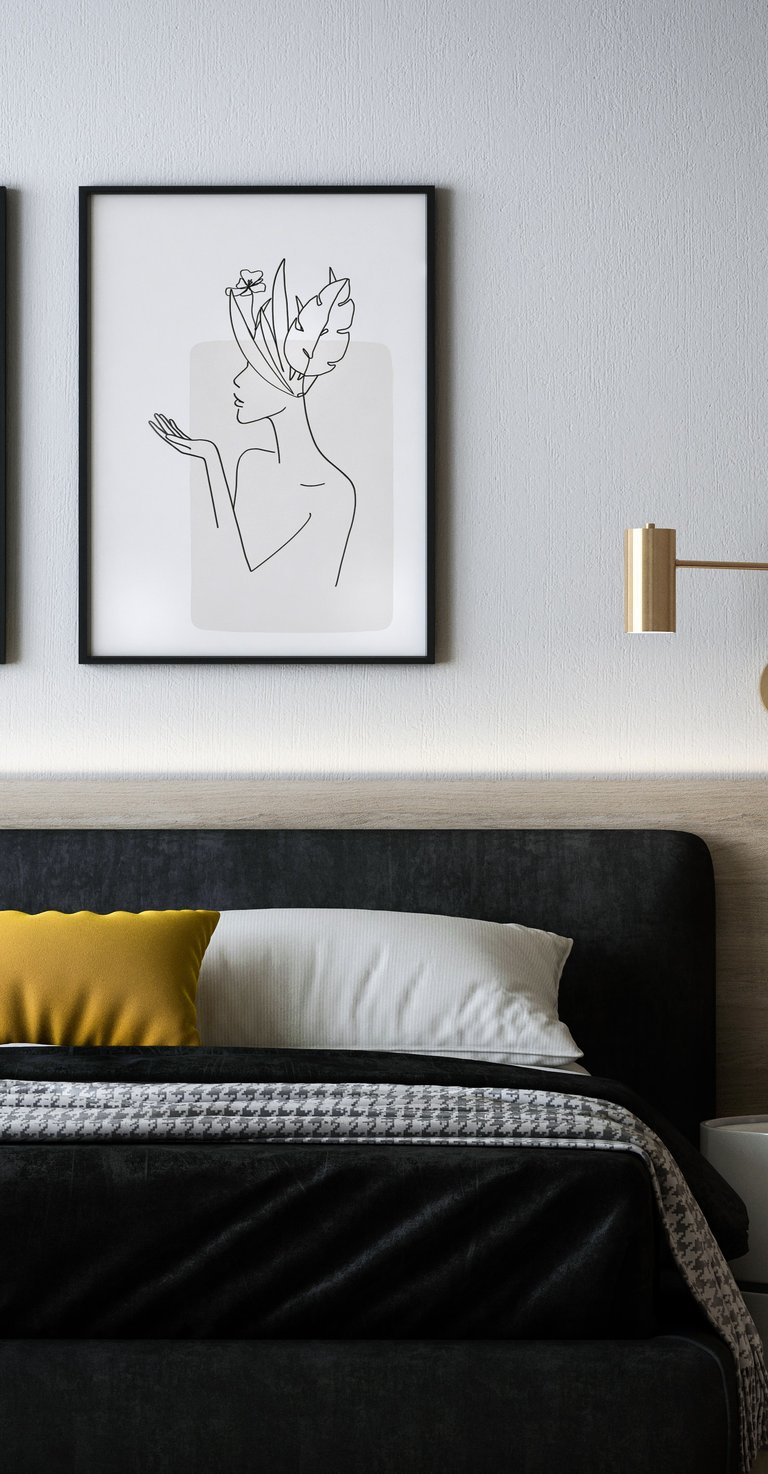
Interior design is what we do best
We are an interior design studio based in Vancouver. We're passionate about what we do and will work tirelessly to deliver the best results for you. We design every facet of your home design project, from colour scheme to upholstery and everything in between.
When design brings beauty into your home
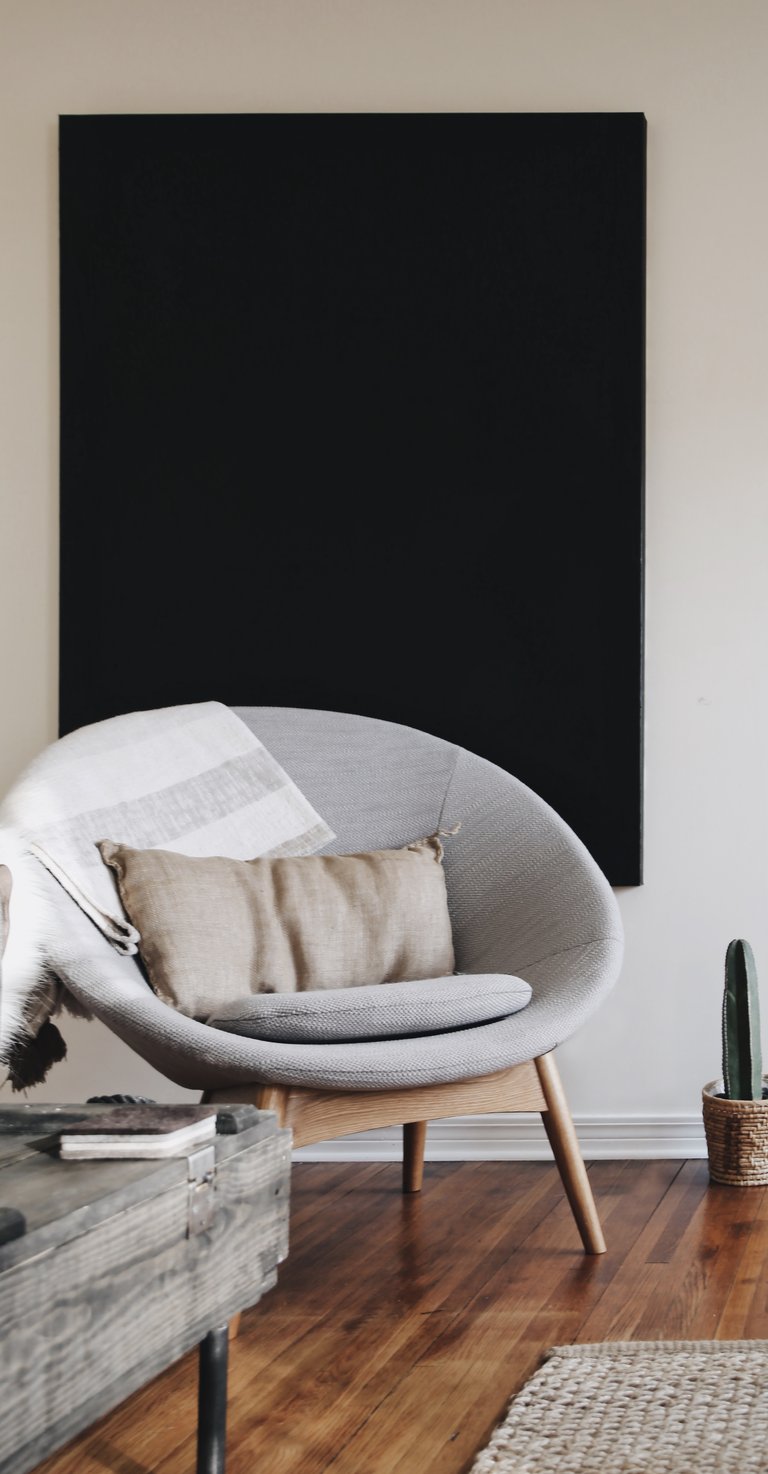
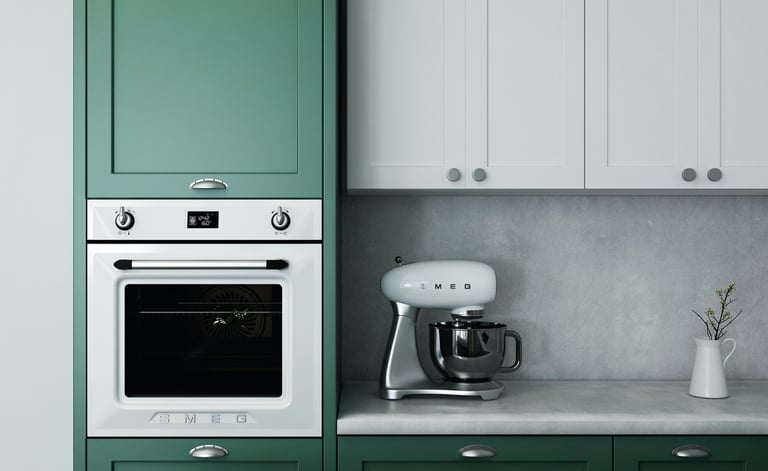
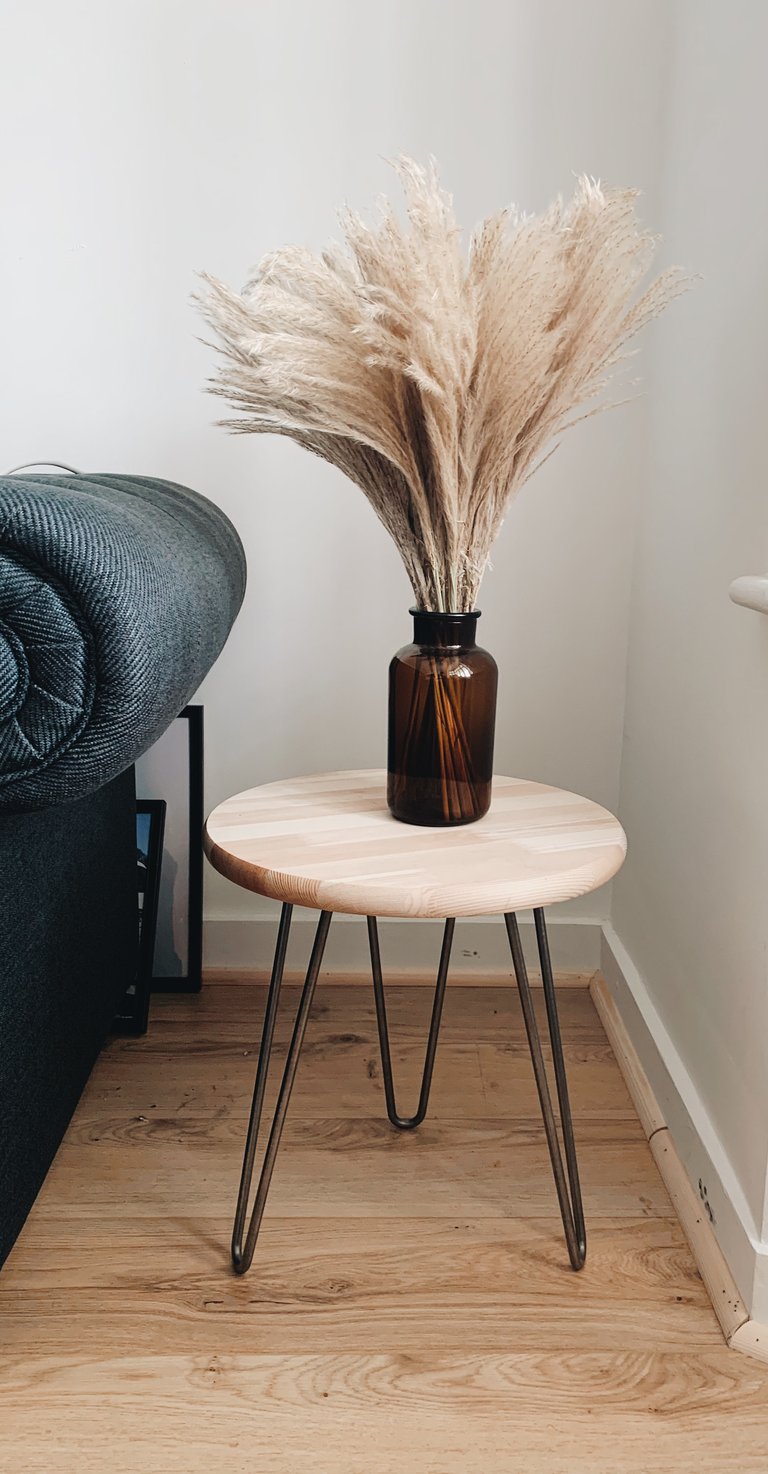
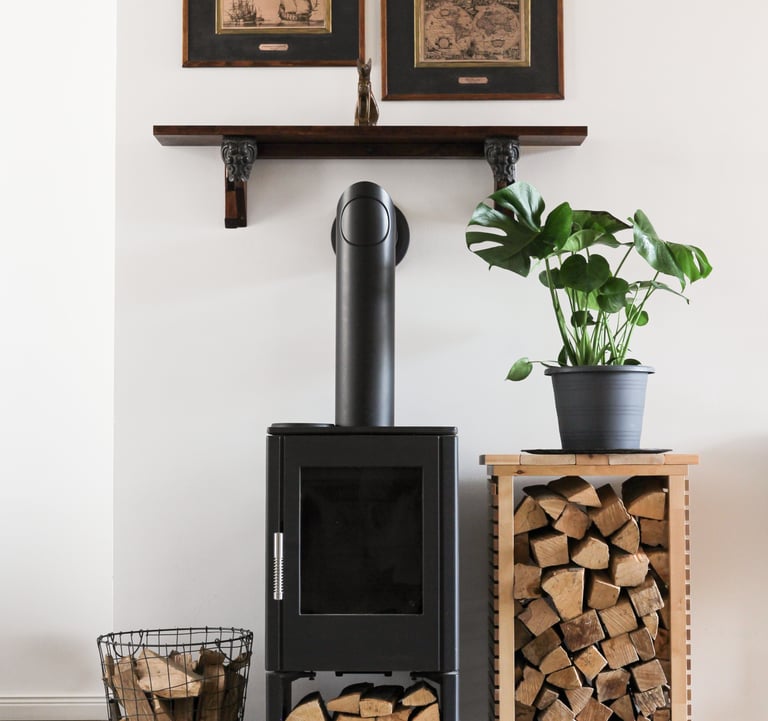
You start with inspiration...
Search through our portfolio and discover your favorite style. We'll use your inspiration as the root of our creativity, helping us lead from one small starting point into the complete design process.
Want to know more about us?
We are a small, creative team of interior designers, who share the belief that great design is built on a foundation of quality and affordability. The design studio is passionately managed by Amanda Pandrige, our main designer who has been expertly curating private residences for over 20 years. Our philosophy is that design can help transform lives.
Beautiful thoughts from our clients
Linda Moore
”Inspiration and imagination underpins their work. The team respects design traditions and does the utmost to maintain them. It's a place where people work with integrity.”
MaTthew Smith
” It's clear they strive to improve client service by developing the right blend of technology and creativity to make sure every job done is done as efficiently as possible.”
Frank Landwick
” They believe in the power and versatility of technology to make their services better, to enable them to deliver the best results possible. They make service a clear priority.”